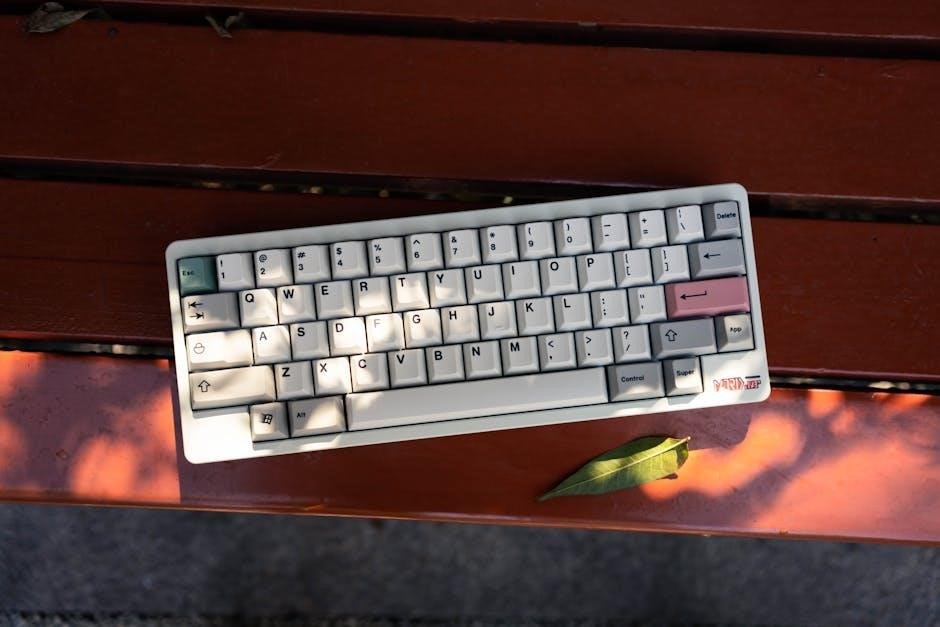
YUNZII YZ75 Manual: A Comprehensive Guide
This guide provides detailed instructions for the YUNZII YZ75 Pro wireless mechanical keyboard, covering setup, customization, and troubleshooting – model numbers 2BGQJ-YZ75 & 2BGQJYZ75.
The YUNZII YZ75 Pro is a highly customizable wireless mechanical keyboard designed for enthusiasts seeking a premium typing experience. Available as both the standard YZ75 and the Pro version (models 2BGQJ-YZ75 and 2BGQJYZ75), it caters to diverse preferences. This manual serves as a comprehensive resource, guiding users through every aspect of the keyboard – from initial setup and advanced programming to maintenance and troubleshooting.
Whether you’re a seasoned mechanical keyboard aficionado or new to the hobby, this guide will unlock the full potential of your YZ75. Explore its features, understand its components, and learn how to tailor it to your exact needs. Prepare to delve into the world of QMK/VIA firmware, RGB lighting, and personalized key mappings.
Key Features and Specifications
The YUNZII YZ75 Pro boasts a 75% layout, balancing functionality and desk space efficiency. It offers both Bluetooth and 2.4GHz wireless connectivity, alongside a reliable USB-C wired option. Key features include full programmability via QMK/VIA firmware, allowing for extensive key remapping and macro creation. The keyboard supports customizable RGB lighting effects, enhancing the aesthetic appeal.
Specifications include compatibility with various keycap materials and profiles. The robust build quality ensures durability, while the customizable PCB supports a wide range of mechanical switches. Detailed specifications regarding battery life, case material, and mounting style are covered in subsequent sections of this manual.
Physical Attributes & Components
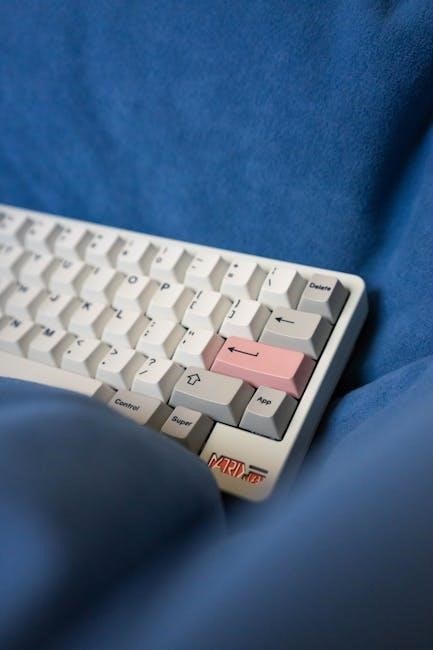
This section details the YZ75 Pro’s physical design, including its layout, keycap compatibility, case construction, PCB features, and mounting mechanisms for optimal performance.
Layout and Keycap Compatibility
The YUNZII YZ75 boasts a compact 75% layout, maximizing desk space while retaining dedicated function keys. This design offers a balance between functionality and portability, appealing to both gamers and typists. It supports a standard ANSI layout, ensuring broad keycap compatibility.
Users can readily customize their keyboard’s aesthetics with a wide variety of aftermarket keycaps. The YZ75 is generally compatible with most Cherry MX-style keycaps, including those made from ABS or PBT plastic. The keyboard supports both MX-style stems and switches, offering flexibility in component selection. Stabilizers are plate-mounted, further enhancing compatibility and ease of modification. Consider keycap profiles like Cherry, OEM, or SA for personalized comfort and appearance.
Case Material and Build Quality
The YUNZII YZ75’s case is constructed from high-quality aluminum alloy, providing a premium feel and exceptional durability. This material choice contributes to the keyboard’s solid build and resistance to wear and tear. The case features a sleek, minimalist design, enhancing its aesthetic appeal.
The aluminum construction also aids in sound dampening, resulting in a more refined typing experience. Precise machining ensures a tight fit between case components, minimizing flex and maximizing stability. The YZ75’s build quality reflects a commitment to longevity and user satisfaction, offering a robust platform for mechanical switches and keycaps. The finish is typically anodized, providing both protection and a visually appealing surface.
PCB and Mounting Style
The YUNZII YZ75 utilizes a hot-swappable PCB, allowing users to easily change mechanical switches without soldering. This feature greatly enhances customization options and simplifies maintenance. The PCB supports a wide range of switch types, catering to diverse user preferences. It employs a gasket mount, which provides a softer, more cushioned typing feel compared to traditional mounting styles.
This mounting system utilizes silicone or foam gaskets between the PCB and the case, absorbing vibrations and reducing noise. The PCB is designed for optimal signal transmission, ensuring reliable key registration. The YZ75’s PCB layout is standard, facilitating compatibility with various keycap sets and modifications.
Connectivity & Power
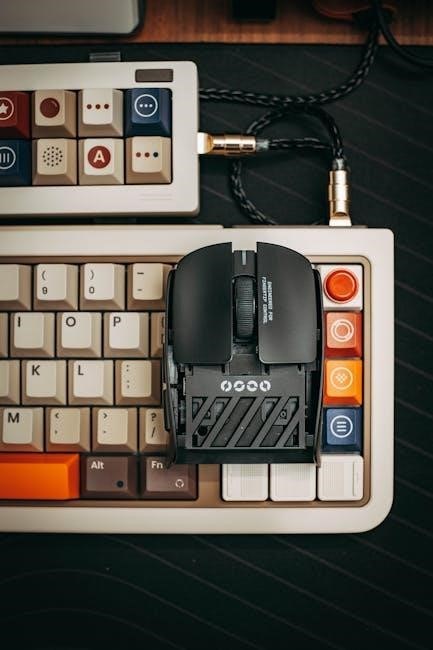
The YUNZII YZ75 offers versatile connectivity via Bluetooth, 2.4GHz wireless, and USB-C; Power is supplied by a rechargeable battery, ensuring extended use.
Wireless Connectivity (Bluetooth & 2.4GHz)
The YUNZII YZ75 boasts robust wireless capabilities, supporting both Bluetooth and 2.4GHz connections for seamless operation. Bluetooth allows pairing with a variety of devices – smartphones, tablets, and laptops – offering convenient, cable-free usage. The 2.4GHz connection, utilizing a dedicated receiver (often included), provides a more stable and responsive experience, ideal for gaming or tasks demanding low latency.
Switching between devices is typically achieved through a dedicated switch on the keyboard’s chassis or via software configuration. Multiple Bluetooth profiles can be stored, enabling quick toggling between paired devices. Ensure your device’s Bluetooth is enabled and discoverable for initial pairing. The 2.4GHz receiver should be securely connected to your computer for optimal performance. Detailed pairing instructions are available within the accompanying software.
Wired Connectivity (USB-C)
The YUNZII YZ75 offers a reliable wired connection via a USB-C port, ensuring a stable and low-latency link to your computer. This method is particularly beneficial for competitive gaming or applications requiring precise input. Simply connect the included USB-C cable to an available port on your PC or laptop.
Wired mode often bypasses potential Bluetooth interference and eliminates battery consumption concerns. The keyboard is generally plug-and-play compatible with most operating systems, requiring no additional driver installation. However, accessing advanced customization features, such as RGB lighting control or key remapping, may necessitate the installation of the YUNZII software. Ensure the USB-C cable is securely connected for uninterrupted operation.
Battery Life and Charging
The YUNZII YZ75 boasts impressive battery life, offering extended usage on a single charge. Expect approximately 30-40 hours of typical use with RGB lighting enabled, and potentially longer with it disabled. Battery life varies depending on usage intensity and selected features.
Charging is conveniently handled through the USB-C port. A full charge typically takes around 5-6 hours using a 5V/1A power adapter. The keyboard can be used while charging, allowing for uninterrupted operation. A low battery indicator will alert you when recharging is needed. Avoid using high-voltage chargers, as they may damage the battery. Proper battery maintenance extends its lifespan.
Programming & Customization
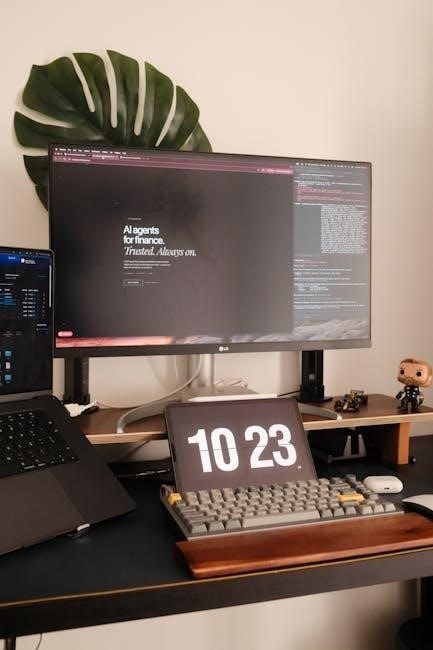
Unlock the YZ75’s full potential with extensive customization options, including key remapping, macro creation, and vibrant RGB lighting control via QMK/VIA firmware.
QMK/VIA Firmware Support
The YUNZII YZ75 boasts robust support for both QMK (Quantum Mechanical Keyboard) and VIA firmware, empowering users with unparalleled control over their keyboard’s functionality. QMK allows for deep customization, enabling advanced users to modify the keyboard’s core code for truly unique behavior. VIA provides a user-friendly graphical interface for simpler adjustments, like key remapping and macro creation, without requiring any coding knowledge.
This dual support caters to both beginners and experienced keyboard enthusiasts. Utilizing VIA, users can easily configure layers, adjust lighting, and create custom keybindings. For those seeking more granular control, QMK opens the door to limitless possibilities. Regularly updated firmware ensures compatibility and access to the latest features and improvements, solidifying the YZ75’s position as a highly customizable mechanical keyboard.
Key Remapping and Macro Creation
The YUNZII YZ75, leveraging QMK/VIA firmware, offers extensive key remapping and macro creation capabilities. VIA’s intuitive interface simplifies the process of assigning new functions to any key, allowing for personalized layouts tailored to individual workflows. Complex macros, sequences of keystrokes, can be recorded and assigned to a single key, boosting productivity and streamlining repetitive tasks.
QMK expands these possibilities further, enabling conditional macros and advanced scripting. Users can define multiple layers, accessing different keymaps with dedicated function keys. This unlocks a world of customization, transforming the YZ75 into a highly efficient and personalized input device. Whether simplifying gaming commands or optimizing coding shortcuts, the YZ75 adapts to your needs.
RGB Lighting Control
The YUNZII YZ75 boasts vibrant RGB lighting, fully customizable through the VIA software. Users can select from a spectrum of colors and dynamic effects, including static, breathing, rainbow, and reactive modes. Individual key lighting can be adjusted, allowing for unique and personalized aesthetics. Synchronization with system audio or on-screen activity is also possible, creating immersive visual experiences.
Advanced users can delve into QMK firmware for even greater control, crafting custom lighting patterns and animations. Layer-specific lighting profiles enable distinct visual cues for different keymaps. The YZ75’s RGB system isn’t just about looks; it enhances functionality and provides valuable feedback during operation, making it a truly immersive experience.

Assembly & Disassembly
This section details the process of safely disassembling and reassembling your YUNZII YZ75, including case separation, PCB handling, and stabilizer work.
Case Disassembly Instructions
Disassembling the YUNZII YZ75’s case requires careful attention to avoid damage. Begin by removing all keycaps and, if installed, the keyboard feet. Locate the screws securing the top and bottom case halves – typically found on the underside. Using a compatible screwdriver, gently remove these screws and store them safely.
Once the screws are removed, carefully separate the top and bottom case halves. Be mindful of any internal cables connecting the PCB to the case. If resistance is met, double-check for hidden screws or clips. Avoid forcing the case apart. Gently lift and separate, ensuring no components are stressed. This process allows access for PCB removal and further customization or repair.
PCB Removal and Installation
Removing the YUNZII YZ75’s PCB begins after case disassembly. Gently disconnect any internal cables linking the PCB to the case – typically the battery connector and potentially RGB lighting connections. Locate the screws securing the PCB to the case, usually positioned around the mounting points. Carefully remove these screws and retain them for reinstallation.
Lift the PCB cautiously, ensuring no components snag on the case. Installation follows the reverse process: align the PCB with the mounting points, secure it with the screws, and reconnect all internal cables firmly. Verify all connections before reassembling the case to prevent damage or malfunction.
Stabilizer Installation and Tuning
Proper stabilizer installation is crucial for a satisfying typing experience on the YUNZII YZ75. Begin by clipping the stabilizer stems to reduce travel and improve feel. Apply a generous amount of dielectric grease to the stabilizer wires where they contact the housing, minimizing rattle. Carefully insert the stabilizers into the PCB, ensuring they are fully seated.
Tuning involves further lubrication and band-aid modification (optional) to eliminate wobble. Test each stabilized key, listening for any unwanted noise. Adjust grease application or add small pieces of band-aid under the stabilizer housings if needed.

Troubleshooting Common Issues
This section addresses frequent problems with the YUNZII YZ75, including connectivity, keycap compatibility, and firmware flashing – offering practical solutions for users.
Connectivity Problems
Experiencing connection issues with your YUNZII YZ75? First, ensure Bluetooth is enabled on your host device and the keyboard is in pairing mode. If using 2.4GHz, verify the receiver is securely connected. For persistent Bluetooth problems, try removing previous pairings and re-pairing the YZ75.
Wired USB-C connectivity should be plug-and-play, but test with a different cable and USB port if issues arise. Check for driver conflicts on your computer. If the keyboard disconnects intermittently, low battery could be the cause – recharge fully. Finally, interference from other wireless devices can sometimes disrupt the signal; try moving the keyboard or receiver.
Keycap/Switch Compatibility Issues
The YUNZII YZ75 generally supports standard MX-style keycaps and switches, offering broad customization options. However, compatibility isn’t always guaranteed. Some sculpted keycap sets may have fitment issues due to the YZ75’s specific profile. Ensure keycaps have a stem compatible with MX switches.
When replacing switches, use only compatible MX-style switches to avoid damaging the PCB. Plate-mounted stabilizers are recommended for optimal performance. If encountering issues, verify the switch pins aren’t bent and are fully seated in the PCB. Always exercise caution during switch and keycap installation to prevent damage.
Firmware Flashing Errors
Encountering errors during firmware flashing can often be resolved with a few troubleshooting steps. Ensure the YZ75 is correctly connected via USB-C and that QMK/VIA recognizes the keyboard. Verify you’re using the correct firmware file specifically designed for the YZ75. A stable internet connection is crucial during the flashing process.
If errors persist, try a different USB port or cable. Resetting the keyboard (refer to the PCB removal section) can sometimes resolve communication issues. Double-check that no other programs are interfering with the flashing process. If problems continue, consult the YUNZII community forums for assistance.

Advanced Configuration
Unlock the YZ75’s full potential by exploring layers, function keys, custom lighting effects, and polling rate adjustments for a personalized experience.
Understanding Layers and Function Keys
The YUNZII YZ75 utilizes multiple layers, accessed through dedicated key combinations, expanding functionality beyond the standard key layout. These layers allow access to media controls, navigation, and custom macros without needing to compromise primary key functions. Function keys, often labeled Fn, activate these layers when pressed in conjunction with other keys.
Understanding layer assignment is crucial for efficient use. QMK/VIA firmware support enables complete customization of layer configurations, allowing users to tailor the keyboard to their specific workflow. Explore the software to remap keys to different layers and define custom functions. Experiment with different layer setups to optimize productivity and streamline frequently used commands. Proper layer utilization significantly enhances the YZ75’s versatility.

Customizing Lighting Effects
The YUNZII YZ75 boasts vibrant RGB lighting, fully customizable through QMK/VIA firmware. Users can select from a wide spectrum of colors and dynamic effects, including static, breathing, rainbow, and reactive modes. Adjust brightness levels and speed settings to achieve the desired aesthetic. Layer-specific lighting profiles are also supported, allowing different lighting schemes for each active layer.
Within the VIA software, explore the lighting tab to access advanced customization options. Create unique lighting patterns and synchronize effects across all keys. Experiment with different color combinations and animations to personalize your keyboard’s appearance. Save custom profiles for quick access and switch between them effortlessly, enhancing both visual appeal and functional organization.
Adjusting Polling Rate
The YUNZII YZ75’s polling rate determines how frequently the keyboard reports key presses to your computer. A higher polling rate (e.g., 1000Hz) reduces input lag, beneficial for competitive gaming, while a lower rate (e.g., 125Hz) conserves system resources. Polling rate adjustments are typically made through the QMK/VIA firmware interface.
Access the configuration settings within VIA to modify the polling rate. Experiment with different values to find the optimal balance between responsiveness and system performance. Note that increasing the polling rate may slightly increase CPU usage. For most users, the default polling rate of 1000Hz provides excellent responsiveness. Regularly check for firmware updates to ensure compatibility and access to the latest features.

Maintenance & Care
Proper keyboard care ensures longevity. Regularly clean the YUNZII YZ75, store it safely, and easily replace keycaps or switches as needed for optimal performance.
Cleaning the Keyboard
Maintaining a clean YUNZII YZ75 keyboard is crucial for optimal performance and longevity. Begin by disconnecting the keyboard from all power sources – both USB and Bluetooth. Gently remove any loose debris using a keyboard brush or compressed air, focusing on areas between the keycaps. For a deeper clean, remove the keycaps (a keycap puller is recommended) and wipe down the case and plate with a slightly damp, lint-free cloth.
Avoid using harsh chemicals or abrasive cleaners, as these can damage the finish or components. For stubborn stains on the keycaps, a mild soap solution can be used, ensuring they are thoroughly dried before reattaching. Always ensure all parts are completely dry before reassembling the keyboard to prevent electrical damage. Regular cleaning will keep your YZ75 looking and functioning its best.
Storing the Keyboard
Proper storage extends the life of your YUNZII YZ75 keyboard. When not in use, disconnect it from all power sources to conserve battery life and prevent accidental activation. Ideally, store the keyboard in a cool, dry place, away from direct sunlight and extreme temperatures. Consider using a dust cover or the original packaging to protect it from dust, debris, and potential scratches.
Avoid placing heavy objects on top of the keyboard, as this could damage the switches or case. If storing for an extended period, it’s advisable to periodically check the battery level (if applicable) and recharge it slightly to maintain optimal battery health. Careful storage ensures your YZ75 remains in excellent condition.
Replacing Keycaps and Switches
The YUNZII YZ75 supports hot-swappable switches, simplifying replacement without soldering. Use a keycap puller to gently remove keycaps, avoiding damage to the stems. For switch replacement, utilize a switch puller to carefully extract the existing switch. Ensure the new switch is aligned correctly with the PCB before pressing it firmly into place until it clicks.
When selecting replacement keycaps, confirm compatibility with the YZ75’s layout and switch type (typically MX-style). Always handle components with care to prevent bending pins or damaging the PCB. Replacing keycaps and switches allows for personalization and repair, extending the keyboard’s lifespan.
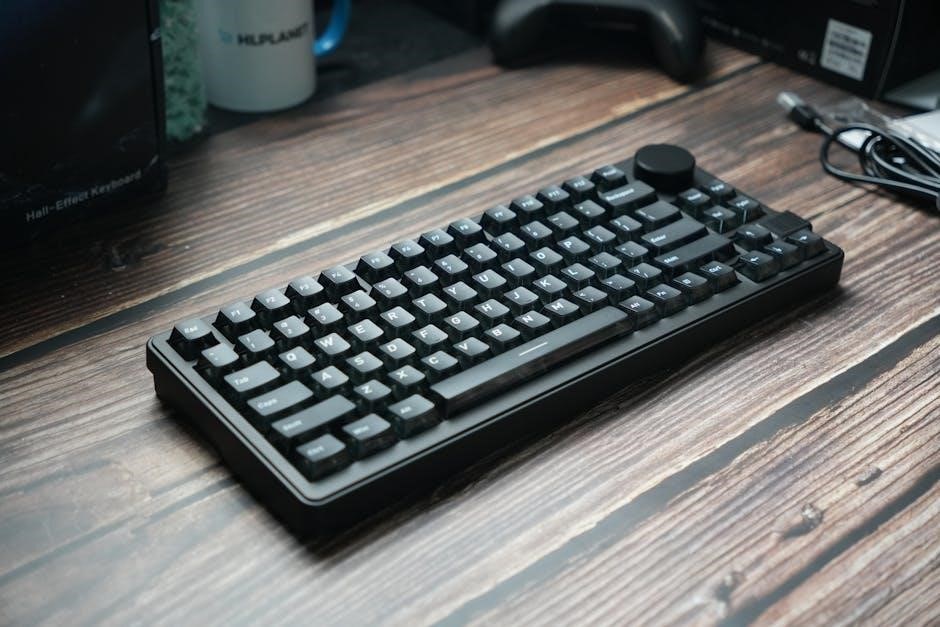
YZ75 Pro vs. Standard YZ75
The YZ75 Pro offers enhanced features compared to the standard YZ75, including upgraded components and potentially improved performance for a premium user experience.
Key Differences in Features
The YUNZII YZ75 Pro distinguishes itself from the standard YZ75 through several key enhancements. Primarily, the Pro model often boasts upgraded internal components, potentially including a higher-quality PCB for improved responsiveness and reliability. Users may also find differences in pre-lubricated stabilizers, offering a smoother typing experience right out of the box.
Furthermore, the Pro version frequently incorporates premium case materials, contributing to a more substantial and refined build quality. Connectivity options might also be expanded, with the Pro potentially offering both Bluetooth and 2.4GHz wireless alongside wired USB-C. Finally, subtle aesthetic differences, such as unique colorways or included accessories, often set the Pro apart, catering to enthusiasts seeking a more complete package.
Performance Comparison
Comparing the YUNZII YZ75 and YZ75 Pro reveals nuanced performance differences. The Pro model, with its potentially upgraded PCB, generally exhibits slightly faster response times and reduced latency, noticeable during fast-paced typing or gaming. Enhanced stabilizers contribute to a more consistent keypress feel, minimizing wobble and noise.
Wireless connectivity performance is often comparable, though the Pro’s dual wireless options offer greater flexibility. Build quality improvements in the Pro model can also translate to a more stable typing platform, reducing flex. While both keyboards deliver a satisfying experience, the YZ75 Pro caters to users prioritizing peak performance and a refined tactile feel.
Which Model is Right for You?
The standard YUNZII YZ75 is an excellent entry point for enthusiasts seeking a customizable mechanical keyboard without a premium price tag. It provides a solid foundation for learning about keyboard modification and enjoying a quality typing experience. However, if you demand top-tier performance and advanced features, the YZ75 Pro is the superior choice.
Consider the Pro if you prioritize faster response times, enhanced stabilizers, and the convenience of dual wireless connectivity. Gamers and professionals who rely on precise input will particularly benefit. Ultimately, your budget and performance needs will dictate the ideal YZ75 model for your setup.